
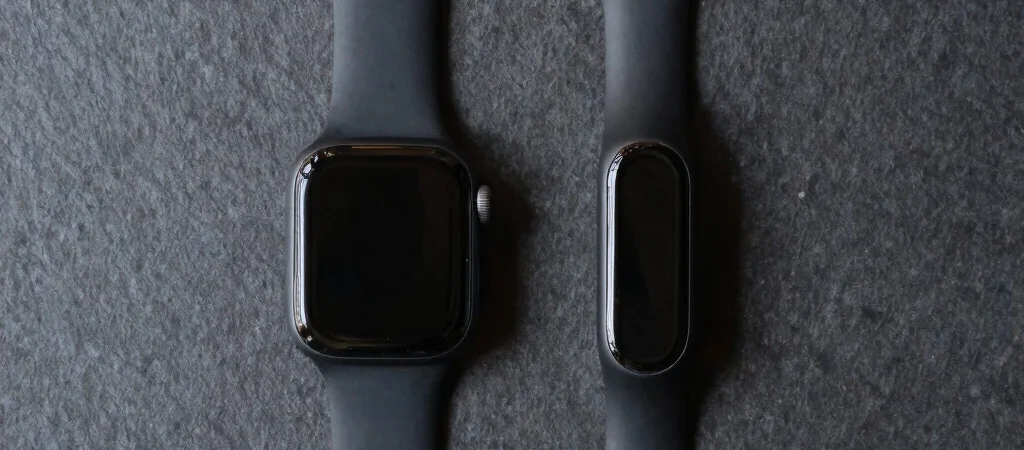
The line between full-featured smartwatches and lightweight fitness bands has blurred significantly in recent years. Both product categories now offer vibrant AMOLED screens, heart rate monitoring, and Bluetooth calling capabilities at competitive price points. Deciding which wearable deserves space on your wrist comes down to battery expectations, weight, and daily reliability.
Battery Life and Charging Cycles
Full smartwatches running advanced operating systems typically require charging every one to two days, especially when app notifications and wrist gestures are continuously enabled. In contrast, dedicated fitness bands focus on core tracking features and can easily operate for a week or more on a single charge. If plugging in another device every night sounds frustrating, a streamlined tracker remains the smarter pick.
Outdoor Screen Legibility and Build Quality
Bright direct sunlight demands displays with high peak nit ratings so you can check workout stats without squinting. Metal bezels and reinforced glass lenses provide much better scratch resistance against accidental bumps during daily public transport commutes. Plastic bodies keep weight minimal for sleep tracking, but require extra care to avoid scuffing the display over time.
Health Sensor Accuracy and App Ecosystems
While budget wearables offer step counts, sleep tracking, and blood oxygen monitoring, sensor accuracy varies across price tiers and brands. Reliable companion mobile apps matter just as much as hardware, as poorly designed software can drain your phone battery or fail to sync step history consistently. Ensure the companion app receives frequent updates and integrates smoothly with popular health platforms.